Seasoned crews of the Aegis Ballistic Missile Defense (BMD) system can help defend against North Korean ballistic missile launches over the South Pole, if provided needed cuing and tracking information. Read Full Story

Tag Archives: Henry F. Cooper
April 15, 2013—A Dynamic Duo: Red Line Dawning?
North Korea and Iran seem joined at the hip, and our Intelligence Community seems confused about North Korea’s proximity to nuclear-armed ballistic missiles. Whatever it is, Iran won’t be far behind. Notwithstanding our leaders’ dubious claims about being prepared for all contingencies, we and our allies, especially Israel, face daunting challenges. Stay tuned . . . Read Full Story

April 1, 2013 – April Fool . . . or For Any Other Time?
Last Friday, North Korea threatened to attack the U.S. and its military bases in South Korea and the Pacific—after two U.S. nuclear-capable stealth bombers dropped dummy munitions in joint military drills with South Korea—in response to earlier North Korean testing and threats of a preemptive attack on the U.S. Stay tuned to this “tit for tat” game. Unwise? You think? Read Full Story

March 25, 2013 – Potpourri . . . Another Week to Remember . . . or Try to Forget?
Additional ground based interceptors in Alaska responds to North Korea’s threat to preemptively attack the U.S. but plans for a ground based site in Poland have changed for a second time—apparently to appease Russia while downgrading the threat from Iran and ignoring concerns of our allies. And EMP issues continue to fester . . . Read Full Story

March 4, 2013 – Beware the Ides of March!
No one knows when trouble will strike in a devastating way. And there is nothing magic about March 15 . . . just the date of Julius Caesar’s assassination in 44 B.C., after which the “Ides of March” assumed a special identity to reflect a specific day that sent a ripple of History-changing repercussions throughout Roman society and beyond. Last week a couple of articles from the web warn of events that could bring down America and Western Civilization much faster than the fall of Rome.
Read Full Story
A Cuban Missile Crisis For Today
On October 22, 1962, President Kennedy announced the Soviets were deploying nuclear weapons in Cuba. In those 13 days of crisis, we were closer to the brink of nuclear holocaust than we then realized. Now we could face a new crisis from the south—from ballistic missiles launched from ships in the Gulf of Mexico or Venezuela. Read Full Story
November 26, 2012 – Star Wars over Gaza!
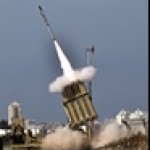
Israel’s Iron Dome shot down 84-percent of several hundred Iranian supplied missiles launched by Hamas from Gaza at Israeli cities. Built in record time with U.S. help, Iron Dome again demonstrated—as did Patriot 20 years ago—the importance of ballistic missile defenses in the new world disorder. Read Full Story

An Open Letter to Citizens of the Coastal States around the Gulf of Mexico
If you live near the Gulf of Mexico, you are the front line to an eminent threat to all Americans. The electromagnetic pulse (EMP) from a nuclear weapon exploded a hundred miles above the U.S. could kill 60-90 percent of all Americans. The powers that be should urgently address this well known threat that could be launched by Iran or Terrorists from a ship in the Gulf. By Ambassador Cooper. Read Full Story
Meeting The Iranian Threat
As U.S. troops withdraw from Iraq and Afghanistan, Iran rapidly broadens its reach to undergird a global strategy to threaten Americans at home and abroad—and our overseas friends and allies. U.S. missile-defenses need to adapt to this increased threat and to broader Iranian influence in the Middle East. By Henry F. Cooper and Robert L. Pfaltzgraff. Read Full Story
Key Policy Briefs
We will be adding key policy briefs as we progress.